


Sake Journal
Basics of Sake Styles
Cloudy or clear, raw or pasteurized, still or sparkling, aged or fresh from the press, sake styles are as varied as they come, and the beautiful thing is that styles are completely independent of sake grades. A can be unfiltered and still fizzing with life. A can be aged into something amber and contemplative.
Let's take a look at some of the more popular and accessible styles that can be found in the States.
Six Common Sake Styles
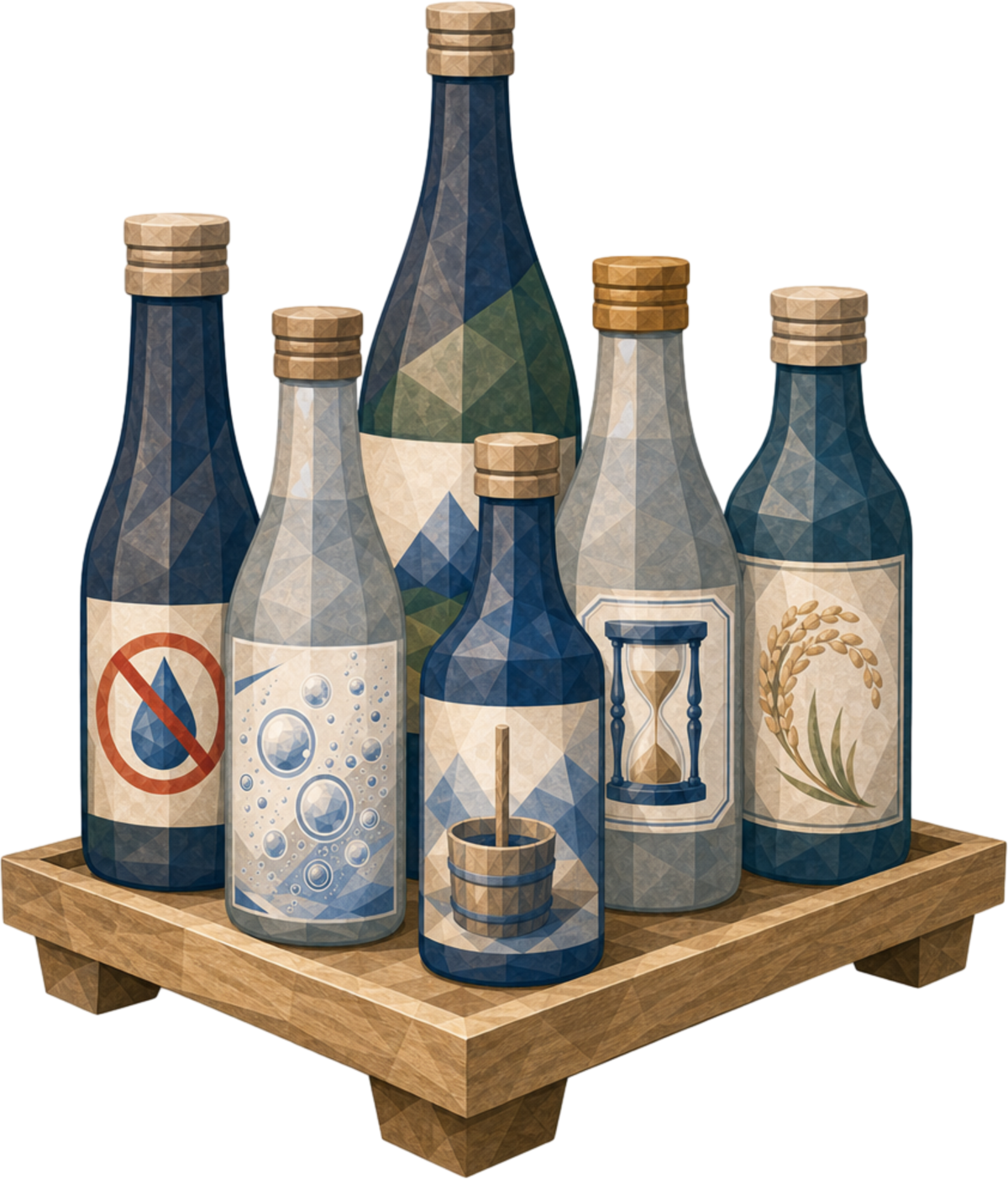
Some Things Are Better Unsettled
Cloudy
is sake that has allowed some of the rice solids to pass through into the bottle, giving it that distinctive white and cloudy appearance. Since must legally be filtered, nigori sake just uses a coarser mesh or adds some the back after the sake is pressed. The result can still be thick or thin, sweet or dry, still or sparkling, but it tends to be richer and less refined than its clear counterparts.

This is coarsely filtered sake, often sweet, rice-forward, and creamy on the palate. Two lighter variations worth a mention are and .
Rodeo in a Bottle
Unpasteurized
Most sake is twice before it reaches you: once before storage, and once before shipping. This stabilizes the sake and extends its shelf life by killing off lactic bacteria and deactivating the enzymes that would feed them.
skips pasteurization entirely. It arrives alive, fresh, and more vibrant than pasteurized sake. It also must be kept refrigerated and drunk relatively soon after bottling. Two additional nama styles pasteurize once instead of twice: is stored raw and pasteurized before shipping, and is pasteurized after pressing and shipped raw.

This sake has had zero pasteurizations, and is the freshest and most vibrant style.
New Kid on the Block
Sparkling
is one of the newer arrivals to the party, only about twenty years old as a serious market presence, and it is still finding its footing. It can be made a variety of ways: secondary fermentation happening right inside the bottle, which produces fine, persistent bubbles and real complexity, or by injecting CO2, which gets the job done just the same.
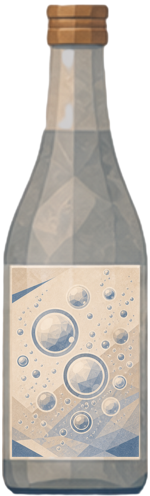
Sake with bubbles. Usually lighter, often sweeter, and one of the most approachable styles for someone just getting started.
Respect Your Elders
Aged
Most sake is not meant to age. It leaves the brewery young, rests for roughly six months while its flavors knit together, and then it wants to be drunk. But there is a small, quiet corner of the sake world that does something different entirely.
, or aged sake, is sake that has been deliberately held back and allowed to transform over time, sometimes years, sometimes decades. The color of koshu sake is deep amber and gold, and the aroma shifts toward sherry, dried fruit, and brown sugar. It is contemplative and unhurried, the kind of sake you sip rather than throw back.

Brewery-aged sake, held back deliberately to develop depth, complexity, and a sherry-like character that fresh sake simply cannot offer.
Large and In Charge
Undiluted
Another word you might find on a sake bottle is . Genshu means the sake has not had water added after pressing. Most sake is diluted slightly before bottling to bring the alcohol down and round out the texture, so genshu is the sake in its original state. The flavor tends to be more intense and present, with more weight on the palate.
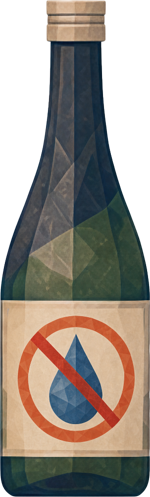
Sake bottled without the water typically added after pressing, typically more concentrated and present in the glass.
Uphill, In the Snow, Both Ways
Old School
Before there was a fast and reliable way to make the yeast starter, brewers had to coax it into existence the hard way.
and are two traditional methods that rely on naturally occurring lactic acid bacteria from the air dropping into the tank. Kimoto does it through a centuries-old process of pole-ramming a rice mash into a paste over several days. Yamahai abandons the pole-ramming step in favor of temperature control instead. The sake that comes from these methods tends to be wilder and more umami-rich than its modern counterparts.
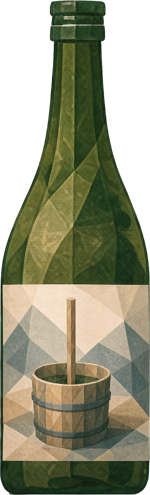
&
The traditional slow path to fermentation, using naturally occurring lactic bacteria instead of adding it directly.
Honorable Mentions
Even More Styles!
And just when you thought you knew them all, there's more! Here are some honorable mentions, just in case you're in the sake aisle and you spot one.
A "red" sake from Kumamoto, colored by ash stirred into the brew, one of three traditional paths to red sake.
Incorporates the oldest method: soaking rice in water to sour it naturally, then using that acidic water to build the starter.
The autumn release of a sake that was cooled through summer. Literally, the "cold release."
A fortified, dessert-like sake produced by adding sake in place of the water in the stage of .
A "red" sake created by brewing with a red or purple heirloom rice. Can produce a more herbal character.
Muroka means the sake was not treated with activated charcoal after pressing, a step that can remove color and smooth out some rough edges.
Sake bottled straight after pressing, while still young and brash.
Sake stored in barrels or wooden casks with cedar chips, becoming infused with cedar flavor and aroma.
Sake made with nearly 100% , which takes the place of the steamed rice.
What's Next
One Bottle at a Time

Sake Education
Basics of Sake Temperature
Hot, cold, and everything in between. How the same sake tastes different at every temperature.
About This Post
Date Published: Fall 2026
Category: Sake Education
External Resources We Like: Brad Smith over at the Japanese Bar has a solid write-up on sake styles and grades.
